Guest Blog
Network Upgrades Are Delaying New Energy Generation — States Can Act to Accelerate Solutions
December 8, 2025
This blog was co-written by RMI and NCEL.
Overview
Lengthy interconnection queues. Supply chains. Inflation. Siting and permitting. The list of factors delaying new electricity generation from getting built seems endless. Now it’s time to add another cause — and this one is only intensifying. Across the U.S., there are increasingly long wait times for building the necessary network upgrades to connect new generation to the power grid. If not addressed, these delays could further increase costs for consumers as the country faces surging energy demand.
This blog outlines the challenges driving these delays and highlights practical steps state legislators can take to accelerate network upgrade construction and ensure reliable, affordable electricity for their constituents.
The Issue in Brief: Network Upgrades Emerge as New Bottleneck for the Grid
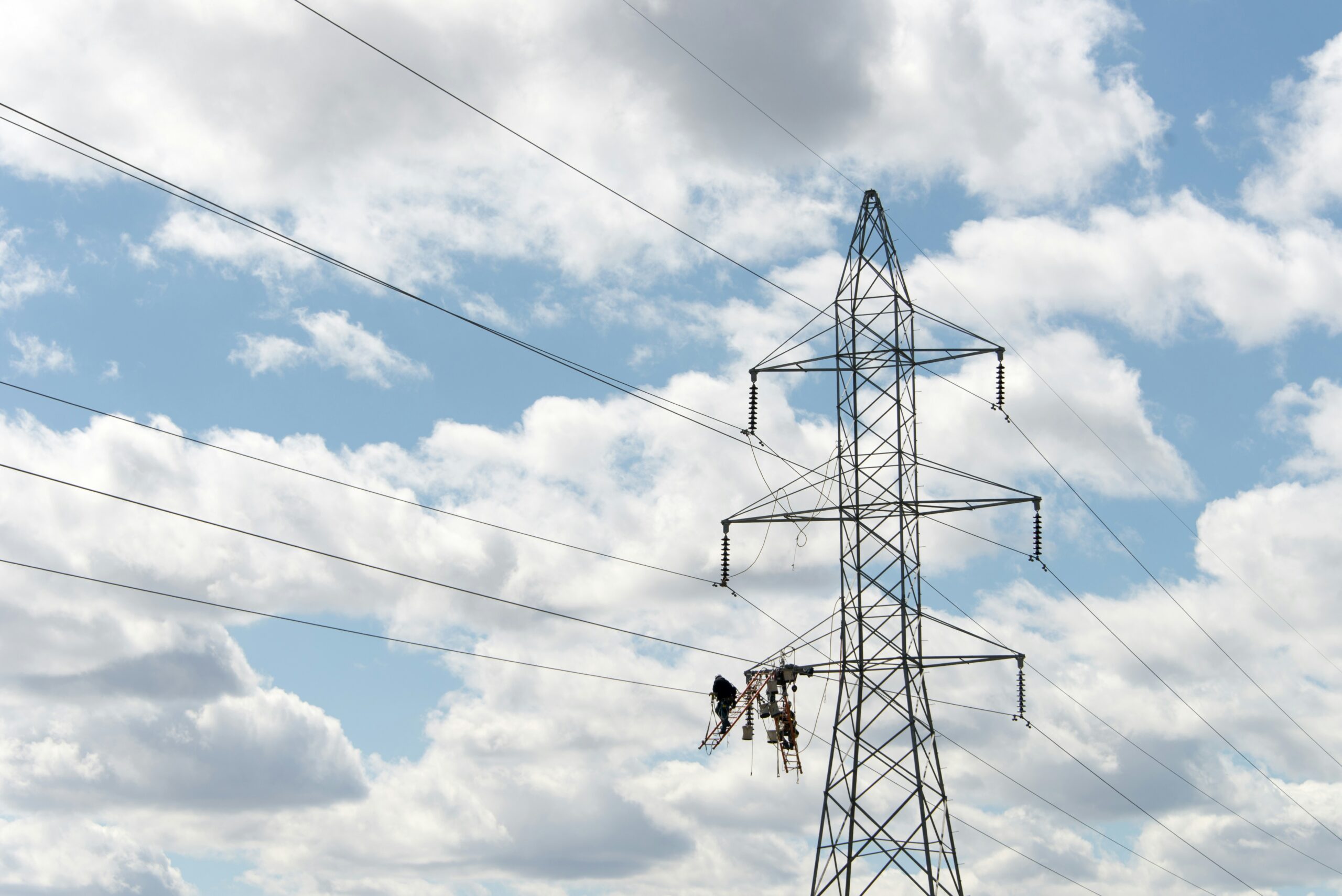
Network upgrades are the projects that are built to ensure the grid remains reliable when bringing new generation online, such as new wind and solar projects. These upgrades can include new transmission lines, substations, or enhancements to existing grid assets. They are built after the project makes it through the interconnection queue, but must be in place before the project can come online. These differ from other types of transmission projects, such as local or regional transmission, which are planned by utilities or regional grid operators and funded by existing grid users.
With surging power demand and hundreds of new generation projects emerging from backlogged interconnection queues, utilities are struggling to keep up with the demand for network upgrades. Many new generation projects are seeing construction estimates of several (5+) years for their network upgrades, compared to historically shorter timelines. Factors causing delays include supply chain bottlenecks for key grid components such as transformers and circuit breakers, labor shortages, and increasing demand from large loads such as data centers.
- The Takeaway: Unless steps are taken to alleviate this backlog, network upgrades could quickly become a principal bottleneck preventing new generation from coming online. This will lead to delays in connecting renewable energy to the grid and higher prices for consumers, as demand rises and supply remains constrained.
What Can States Do to Accelerate Network Upgrade Construction?
States play a critical role in ensuring network upgrades move forward quickly and efficiently. By (1) increasing transparency, (2) investing in workforce development, and (3) strengthening oversight, lawmakers can help reduce delays and keep new generation projects on track.
1. Transparency
First, states can increase transparency around construction timelines to identify bottlenecks and help drive more streamlined practices. Currently, network upgrades lack specific construction timeframes and are often deprioritized compared to other transmission projects that are locally or regionally planned.
To help track upgrade construction timelines and trends, state legislators could require utilities to regularly post public data on network upgrade projects, including expected in-service dates, associated generation projects, and explanations for any construction delays. This information is most useful when it is hosted on a state website (e.g., state energy office) and aligned with regional (RTO) transmission data (e.g., through project identifiers).
- Regional Spotlight – Mid-Atlantic: “Lawmakers From 10 States Call on PJM to Accelerate Renewable Energy Deployment Amid Affordability and Capacity Concerns.”
2. Workforce Development
Second, states can create or strengthen dedicated workforce development programs related to the grid. On top of existing labor shortages, load growth and the energy transition will only increase the need for a skilled workforce. State legislators can fund the creation or expansion of workforce training and development programs for electrical workers, such as linemen. Such programs are most effective when developed in consultation with utilities, trade unions, community colleges, and other higher education institutions.
- Policy Example: To ensure the planning and construction of a modern energy distribution system, California’s SB-410 requires electrical corporations to analyze current and future staffing needs, ensure adequate qualified staffing, and maintain apprentice pipelines.
3. Oversight Hearings
Third, state legislators can hold oversight hearings with their utilities to better understand how network upgrade construction is progressing in their states and what other steps can be taken to accelerate the construction. Regular, public, and transparent conversations like these can help to ensure upgrades are being built in a timely fashion and identify what more legislators and state governments can do.
- Learn more about state solutions for addressing outdated utility regulations on NCEL’s Utilities Issue Page.
Looking Ahead
As a nation, the U.S. has built infrastructure rapidly before — and today’s pressing energy needs call on us to do so again. Building network upgrade projects quickly offers the benefit of enabling new generation to be brought onto the grid as fast and efficiently as possible.
To learn more, contact Claire Wayner (RMI) and Ava Gallo (NCEL), or visit NCEL’s Issue Pages on Transmission and Utilities.